
Choosing the right trading broker can be the difference between success and failure in the financial markets. For Malaysian traders, this decision is often marred by common missteps that can lead to unnecessary losses and frustration. Understanding the types of brokers available, the significance of regulatory compliance, and the impact of fees on profitability is crucial. This article delves into the prevalent mistakes that traders make, guiding you toward a more informed and strategic selection process.
Understanding Trading Brokers
Trading brokers act as intermediaries between traders and the financial markets, rendering their role essential to achieving trading success.
Types of Trading Brokers
There are primarily three types of trading brokers: full-service, discount, and online brokers, each designed to meet the varying needs of traders.
Full-service brokers, such as Merrill Lynch, offer personalized investment advice and comprehensive management services, making them ideal for passive investors who prefer hands-on guidance. In contrast, discount brokers, like Charles Schwab, cater to self-directed traders who prioritize low fees and a more streamlined trading experience.
Online brokers, including eToro, emphasize social trading, appealing to a younger demographic that seeks to learn from others and share investment strategies.
Each type of broker provides distinct advantages tailored to different investment styles and financial objectives.
Importance of Choosing the Right Broker
Selecting the appropriate broker can have a profound impact on trading outcomes, influencing factors such as fees, execution speed, and the range of available instruments. To make a well-informed decision, it is essential to consider the following factors:
- First, evaluate the fee structure-many brokers impose commissions on trades, while others may offer zero-commission trading but compensate with higher spreads.
- Second, assess the account types available-some brokers specifically cater to beginners by providing demo accounts, while others offer advanced features tailored for experienced traders.
- Additionally, examine the trading tools provided, including charting software and mobile application functionalities.
Research indicates that 70% of traders recognize the significance of effective broker selection in contributing to their long-term success.
Common Mistakes in Broker Selection
Numerous traders encounter common pitfalls when selecting a broker, which can adversely affect their trading performance and profitability.
Overlooking Regulatory Compliance
Neglecting to verify a broker’s regulatory compliance can result in significant risks, including the potential loss of funds. It is essential to check a broker’s registration with regulatory bodies such as the Securities and Exchange Commission (SEC) in the United States or the Financial Conduct Authority (FCA) in the United Kingdom.
Resources like BrokerCheck and the FCA’s register offer efficient means of verification.
Consider a pertinent example: a trader incurred a loss exceeding $10,000 by investing with an unregulated broker, subsequently discovering that they had no recourse for recovery.
To protect your investments, it is imperative to conduct thorough research and to select brokers with clear and reputable regulatory credentials.
Ignoring Fees and Commissions
Failing to consider the fee structures of brokers can lead to unforeseen costs that gradually diminish trading profits. Understanding common types of fees can enable individuals to make more informed decisions.
Key fees include commissions, which can vary significantly; for instance, one broker may charge $4.95 per trade, while another may charge $9.99.
Additionally, spreads-the difference between the buying and selling price-can also impact overall profitability. Withdrawal fees may further reduce returns. Utilizing tools such as NerdWallet allows for efficient comparisons among brokers to assess total costs.
For instance, a trader who neglects to review commission rates might forfeit $500 in profits over the course of a year, thereby highlighting the critical importance of fee awareness.
Not Considering Trading Platforms
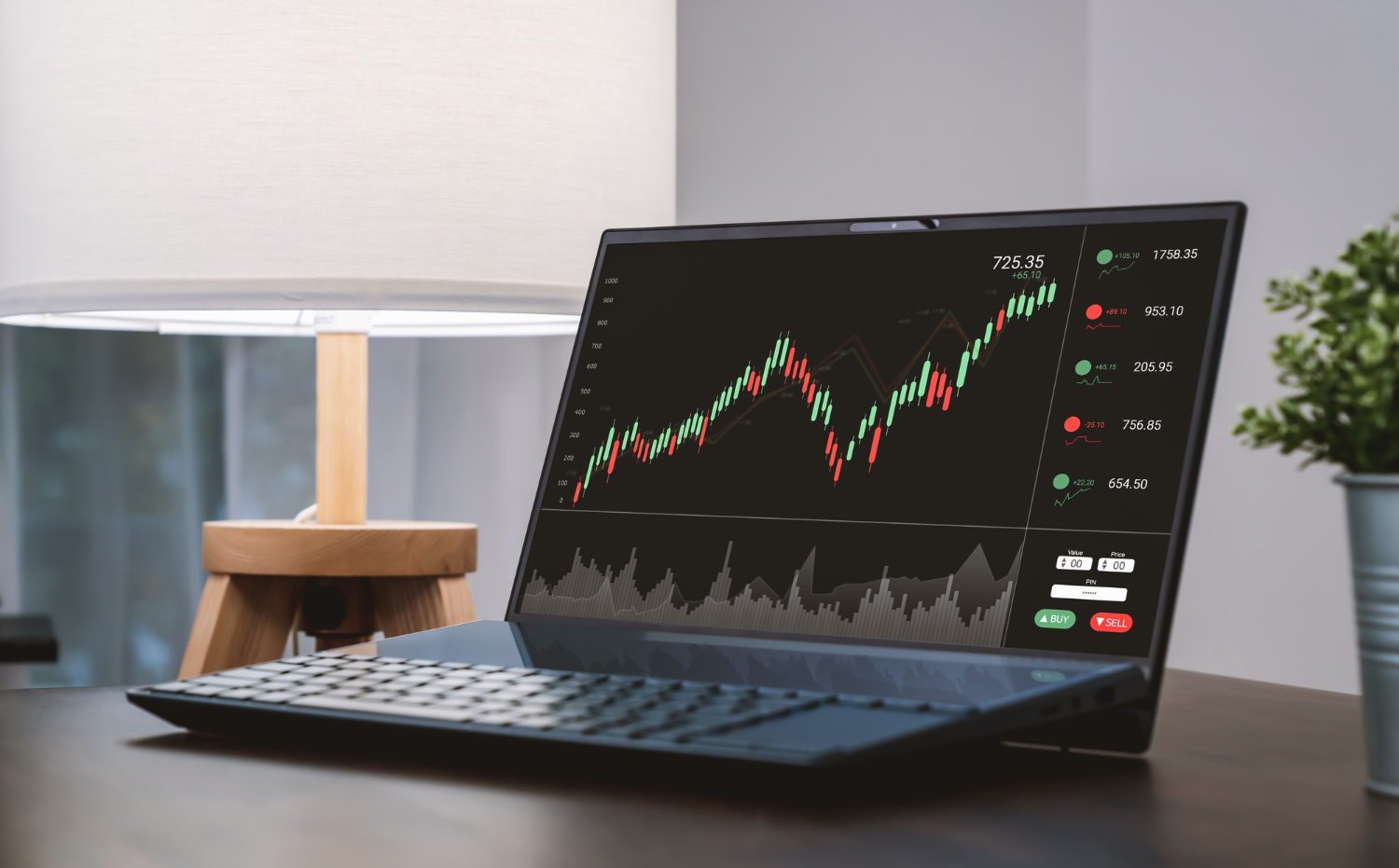
The usability and features of the trading platform can significantly impact a trader’s efficiency and decision-making process.
Usability and Features
Factors such as user interface design, the availability of charting tools, and the speed of order execution are critical in evaluating a trading platform.
An intuitive user interface enhances navigation, which is essential for making timely trading decisions. For example, platforms like MetaTrader 4 not only provide customizable dashboards but also offer comprehensive charting tools, including a variety of technical indicators and adjustable timeframes.
Furthermore, low latency in order execution can significantly influence profitability, making platforms such as NinjaTrader particularly suitable for high-frequency traders. It is advisable to utilize demo accounts to assess these features prior to making a commitment, as this allows for the evaluation of performance in real-time conditions without incurring any financial risk.
Mobile Trading Capabilities
In an increasingly mobile environment, the capability to conduct trades while on the go has become an essential feature for many traders. Mobile trading applications such as Robinhood and Webull offer critical functionalities for efficient trading operations.
For example, Robinhood provides real-time alerts, commission-free trades, and seamless fund transfers, making it accessible for both novice and experienced traders. Conversely, Webull enhances the trading experience by offering advanced charting tools and indicators that facilitate more comprehensive analysis.
When selecting a trading application, it is advisable to consider user experience metrics, including download ratings. Robinhood typically averages around 4.5 stars, whereas Webull has a slightly lower rating but features distinct functionalities that may appeal to serious traders.
Ultimately, choosing the appropriate application can significantly elevate one’s trading strategy.
Neglecting Customer Support
Effective customer support plays a crucial role in resolving trading issues and facilitating a seamless trading experience.
Response Times and Availability
The response times of customer support significantly impact a trader’s ability to address urgent issues in a timely manner. To evaluate the quality of support provided by a trading platform, three key factors should be considered.
- First, it is essential to verify the availability of live chat; platforms such as eToro offer 24/7 chat support, which is critical for obtaining immediate assistance.
- Second, one should assess average response times; a survey indicated that 62% of traders express dissatisfaction due to slow response rates, thus it is advisable to select platforms with response times of less than five minutes.
- Lastly, reading user reviews can provide valuable insights into overall satisfaction levels.
By taking these steps, traders can make informed decisions when choosing a platform that prioritizes timely and effective support.